Physical Address
304 North Cardinal St.
Dorchester Center, MA 02124
Physical Address
304 North Cardinal St.
Dorchester Center, MA 02124

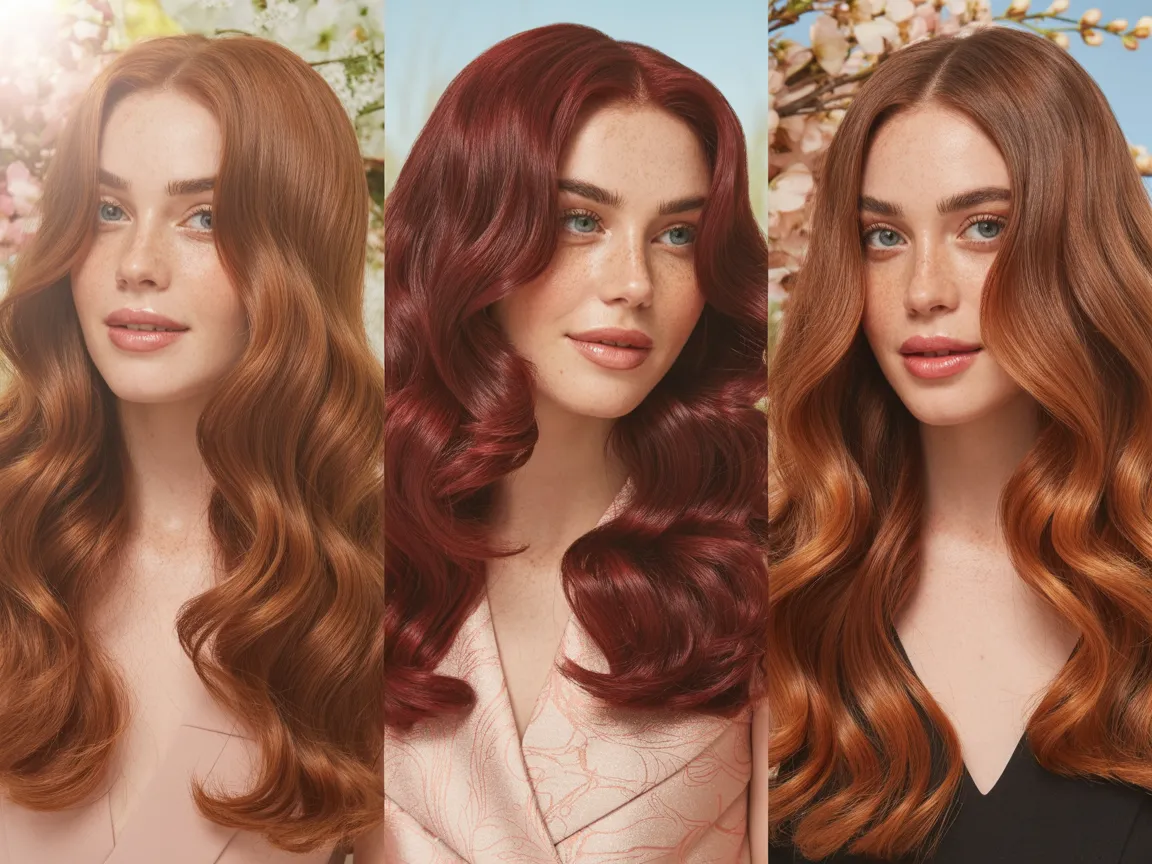
Spring daylight is kind to red hair. The light is brighter and warmer than in winter, so copper picks up gold, cherry tones look glossy instead of heavy, and even a sheer strawberry wash shows up without a dramatic change.
These 15 red hair color ideas run from no-bleach glosses to vivid cherry. The smartest pick is usually the one closest to your natural level, because that’s the red you’ll still like when it starts to fade.
Quick answer: Pick the tone by undertone first. Warm undertones suit copper, ginger, strawberry and cinnamon; cool undertones suit blue-based cherry, ruby and burgundy; neutral and olive undertones sit comfortably in auburn, mahogany and brown-based copper. Skin depth then decides intensity: fair skin looks best in lighter, softer reds, while medium and deep skin carry richer, more saturated ones. For a low-commitment try, ask for a red-tinted gloss or a copper money piece.
The wrong red fights your skin instead of warming it. Three checks narrow the choice quickly.
If you don’t already know your undertone, the wrist-vein and jewelry checks in our spring hair colors for brunettes article will tell you in a minute. Warm undertones look best in reds with a gold or orange base: copper, ginger, strawberry, cinnamon. Cool undertones look best in reds built on blue or violet: cherry, ruby, burgundy, red velvet. Neutral undertones can wear auburn, mahogany and rosewood. Olive skin usually does best in the middle ground, such as auburn or a brown-based copper, because very orange reds can make it look sallow.
Depth is a separate question. Fair skin can look overwhelmed by a dark, saturated red, so strawberry, apricot and soft copper tend to sit more naturally. Deep skin makes mahogany, ruby and burgundy look rich rather than heavy, and very light, sheer reds can disappear against it.
Colorists rate hair depth from level 1, black, to level 10, the palest blonde. Permanent dye deposits red and lifts virgin hair by a level or two at the same time, so a level 6 can reach a level 7 copper in a single step. Anything lighter than that needs lightener. On a level 2 to 4 base, cherry cola, mahogany and other red-brown shades work as a tint that shows mostly in sunlight, and a true vivid red on dark hair needs lightening first. Color also doesn’t lift color: if your ends hold old box dye, a new red won’t brighten them evenly.
Of all hair colors, red washes out quickest. Demi-permanent glosses cost the least and fade first, often within four to six weeks on red. Single-process color needs root touch-ups every six to eight weeks, while balayage and ribbons can stretch longer between visits but cost more up front. Permanent dye calls for a patch test first, and lightening over old color calls for a strand test.
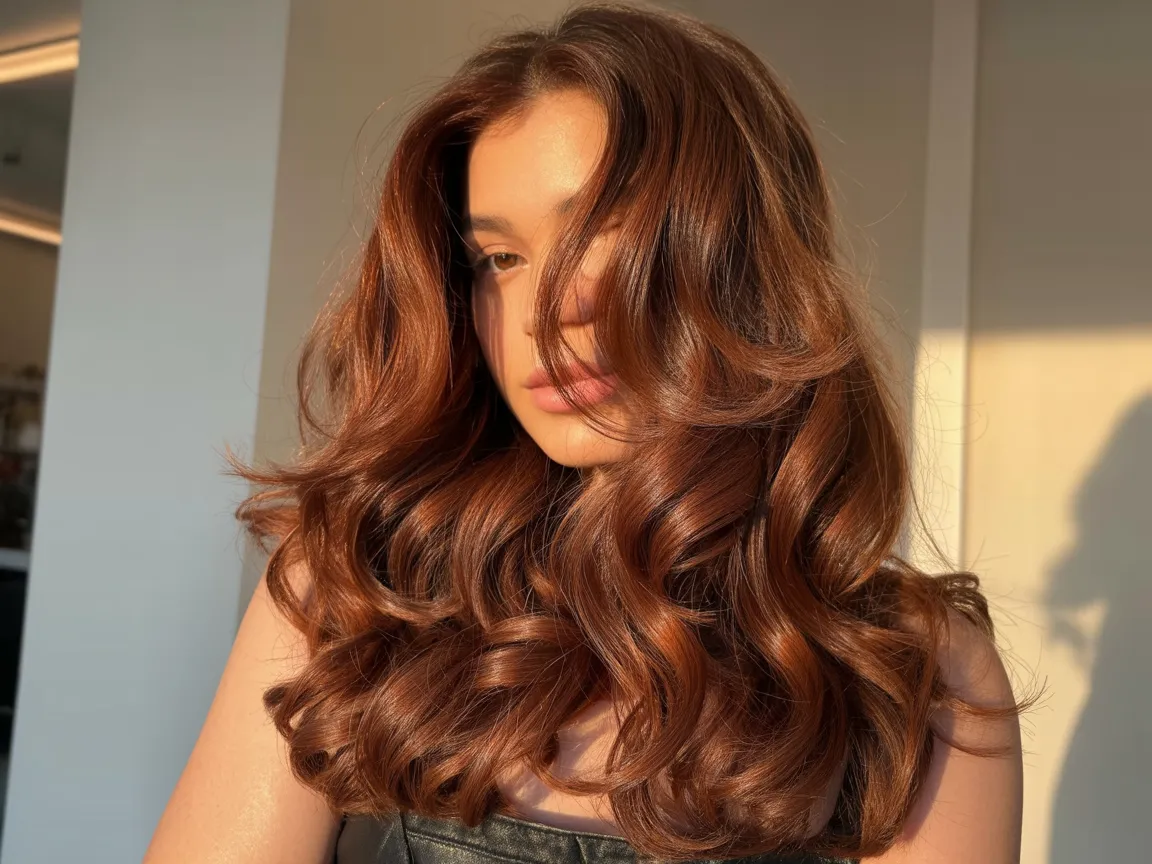
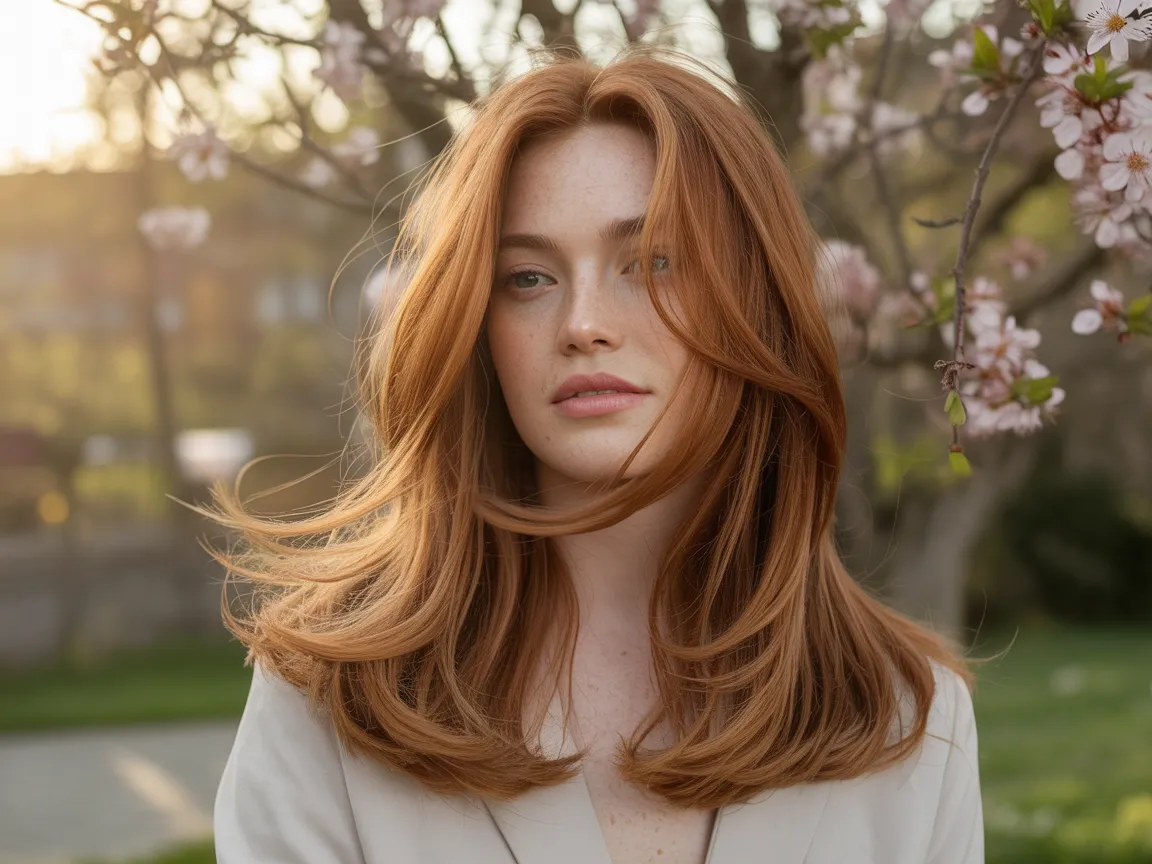
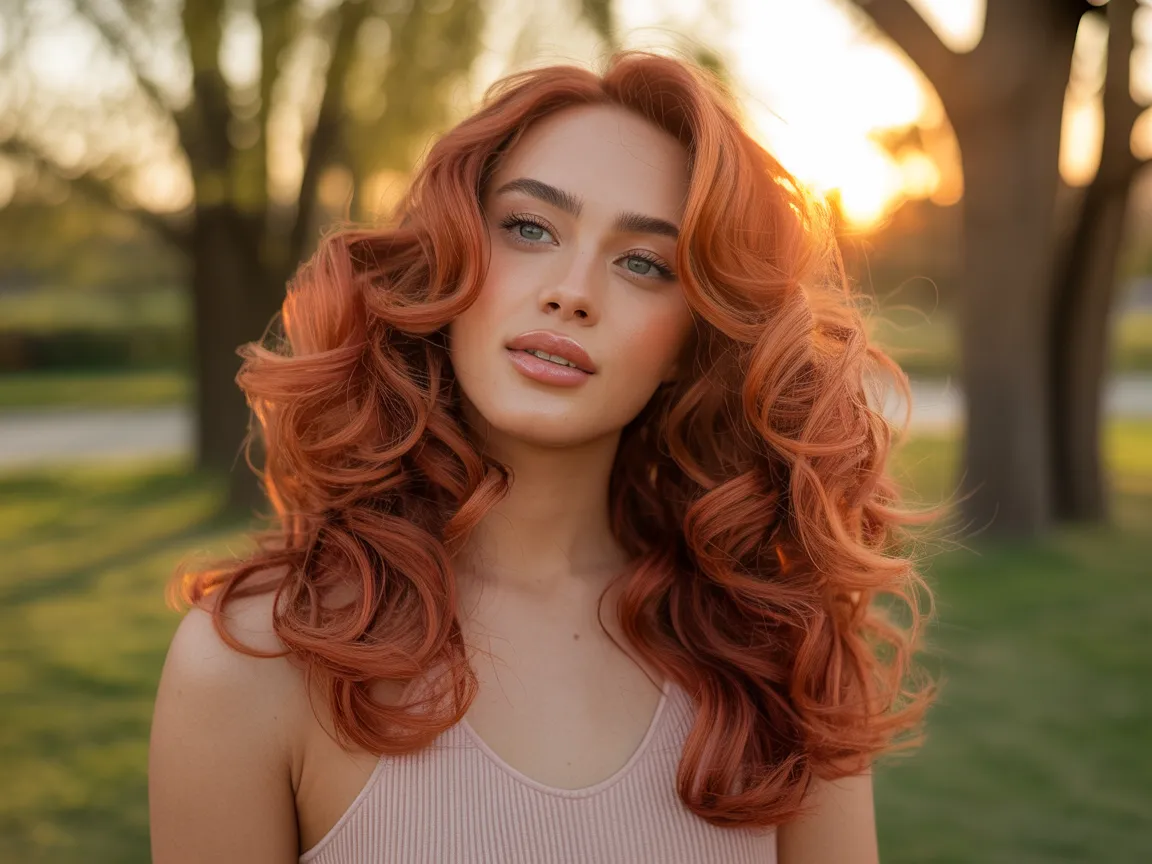
The brightness here sits on the mid-lengths and ends, not at the scalp. A level 6 or 7 copper meets a slightly deeper cinnamon-brown root smudge, so it reads as natural copper rather than salon orange. It’s easy on warm and neutral undertones and brings out green, hazel and amber eyes.
On a natural level 6, permanent copper can lift that one extra level and deposit in a single step; if you’re already level 7, a gloss alone does it. Copper fades toward brassy orange-gold first, so plan a copper gloss about every six weeks and use a copper-tinted conditioner weekly at home.
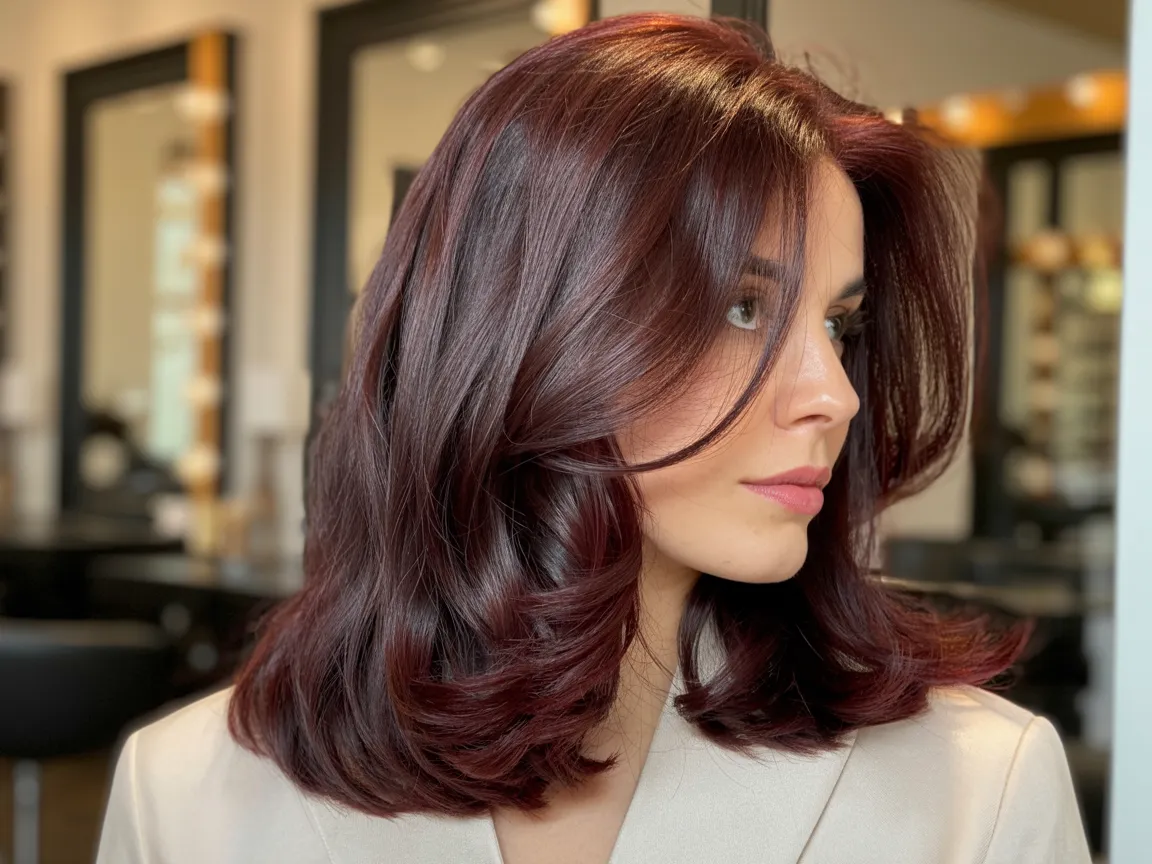
Deep brown indoors, black-cherry in sunlight. Cherry cola is a level 3 or 4 brown glazed with red-violet, and no bleach is involved, which makes it one of the easiest ways for a dark brunette to try red without damage. It flatters cool and neutral undertones at most skin depths.
Long layers help, because each one catches light and shows more of the tint. The red-violet drifts toward warm brown as it fades, so skip clarifying shampoos, which strip demi color quickly.
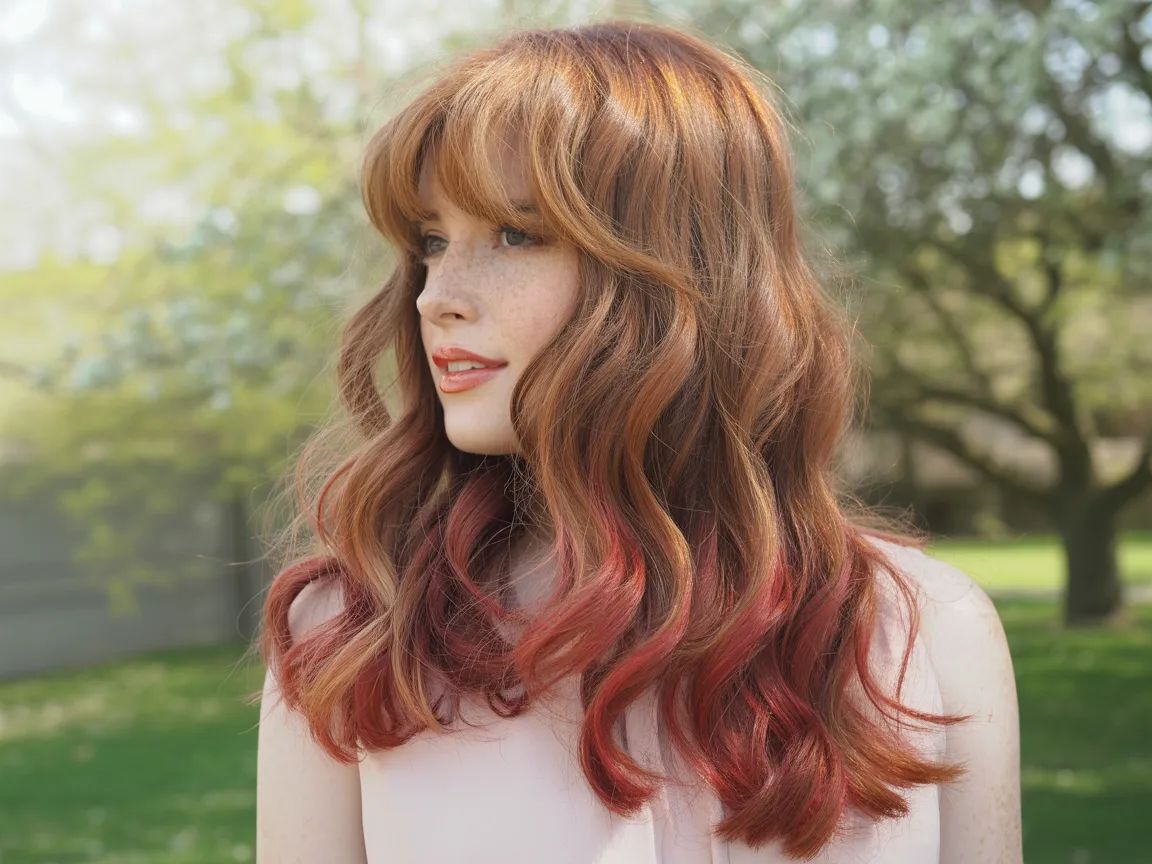
Fair skin with freckles is where this one shines. An auburn base around level 6 carries fine ribbons lifted to level 8 and toned strawberry, a pink-leaning gold, and two levels of contrast keep it looking like sun-faded natural red. Warm or peachy undertones suit it best.
The ribbons need a little lightener, so ask for a bond-building additive in the mix and keep Olaplex No.3 or a similar bond repair step in your routine at home. Strawberry toner is sheer and fades to golden blonde first, so a toner refresh every five or six weeks keeps the blend pink-gold.
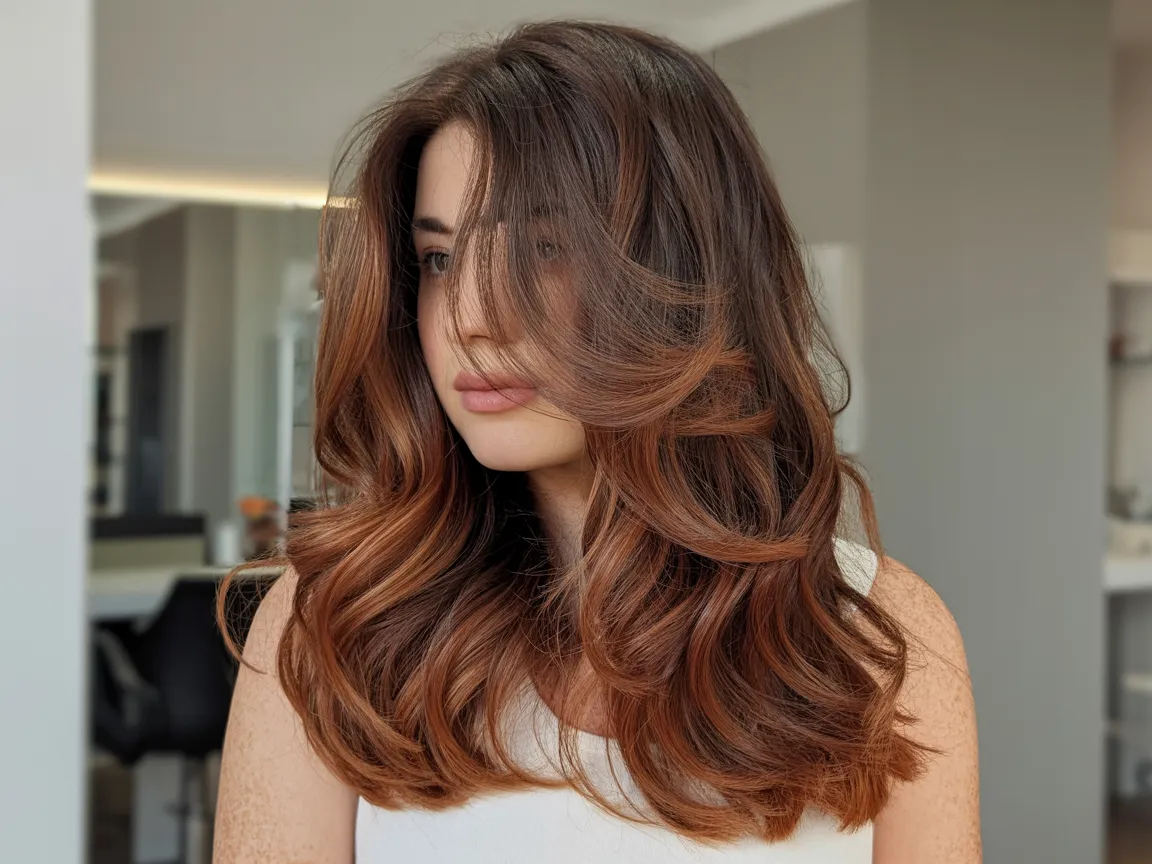
A color melt blends one shade into another with no visible line. This version starts with a level 5 or 6 caramel brown at the root and moves into a level 7 copper-red through the ends. Regrowth disappears into the caramel instead of leaving a stripe, which makes it a gentle first red for light brunettes with neutral or warm undertones.
Where the melt starts matters. Below the cheekbone, rather than at the ear, keeps the red near the ends, where it frames the face, and lets the look grow out for eight to twelve weeks before a refresh.
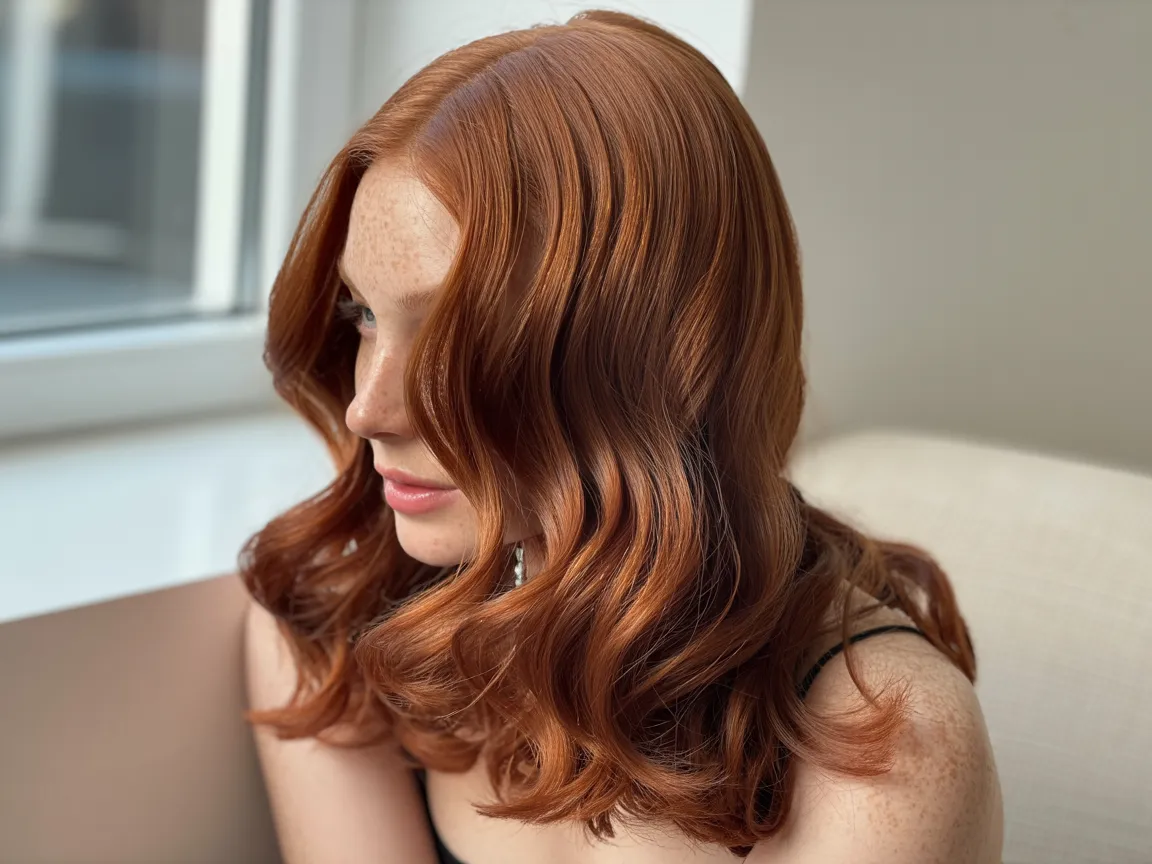
Auburn balances red and brown in roughly equal parts, usually as a single process at level 5 or 6 from root to ends. Loose waves show off its depth. Of all the shades here, it’s the most forgiving: neutral undertones, olive skin and medium to deep complexions wear it without looking orange.
Because the color starts at the scalp, roots show at about six to eight weeks on darker natural hair. Finishing with a clear gloss gives the velvet sheen. For more on placement and softer copper versions, see our full auburn hair color guide.
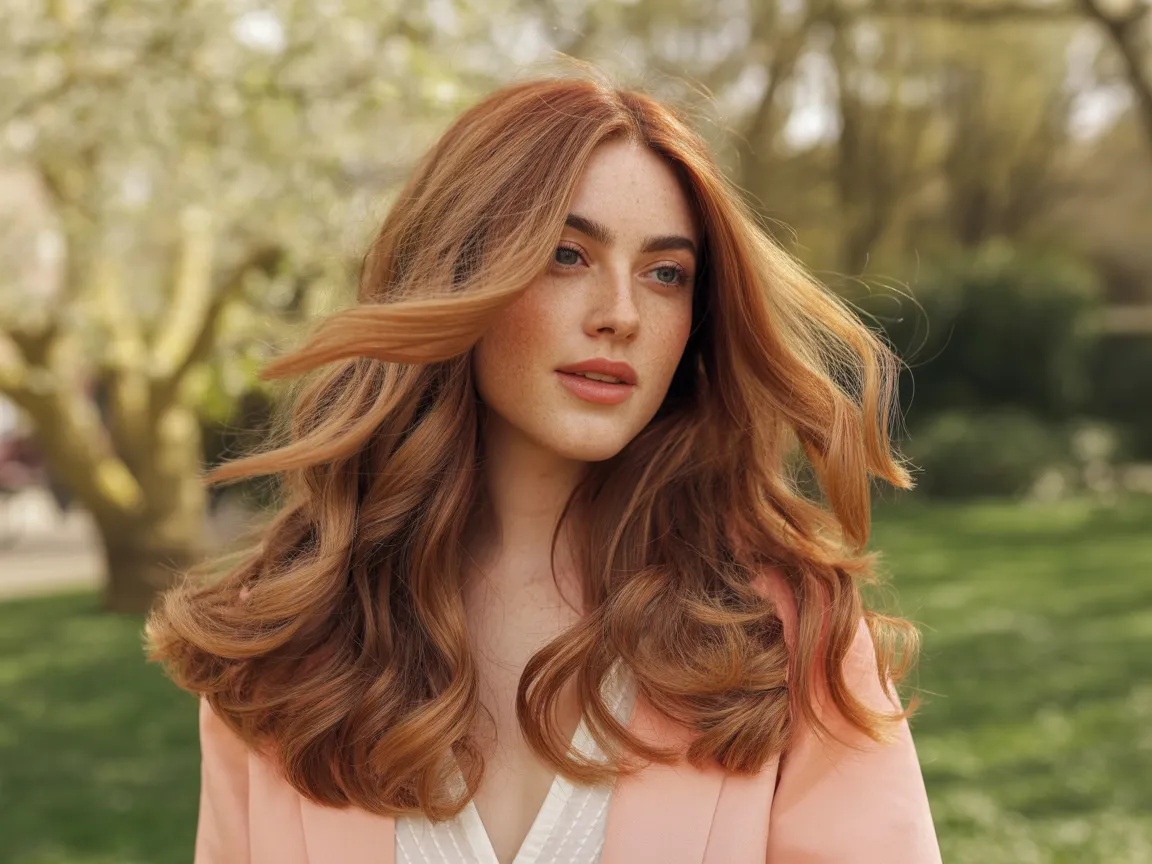
Ginger is a bright, golden orange-red. In this copper balayage, it’s painted onto a level 5 or 6 light brown base, concentrated at the ends and the face-framing pieces, and toned to a level 7 or 8 ginger. The root stays natural, so upkeep is mostly toner every six to eight weeks.
Warm undertones and light to medium skin get the best of it. Balayage involves lightener, so bond care matters more here than with the gloss-only shades. Skip purple shampoo, too: it mutes the warmth you paid for.
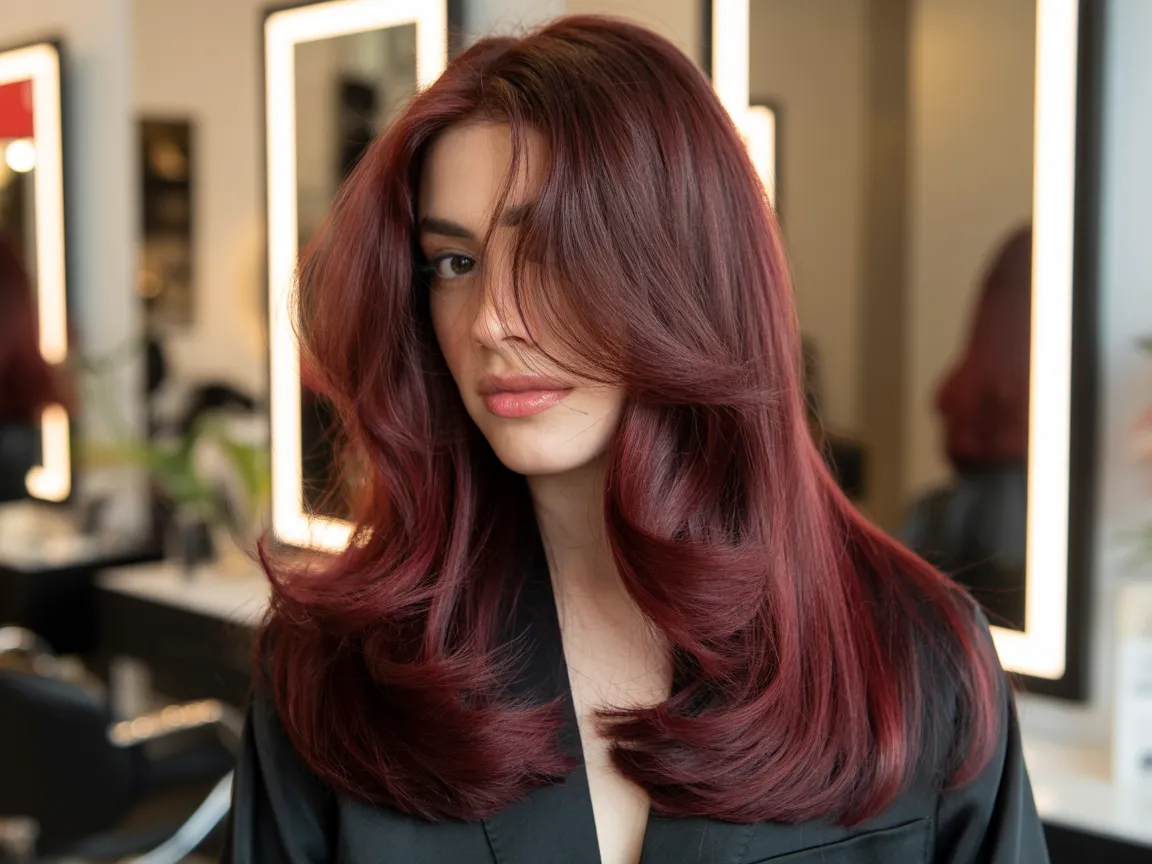
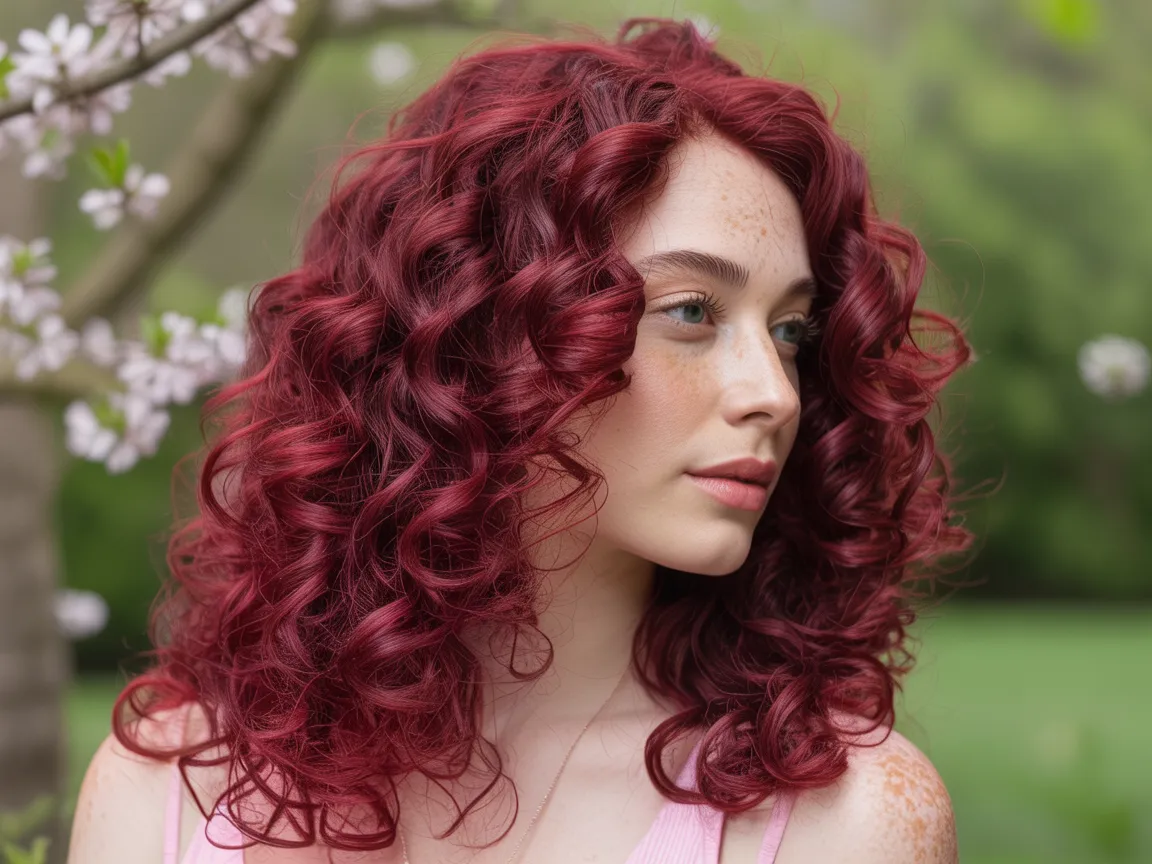
Ruby is a clear blue-red, brighter than cherry cola and without the brown. On a level 2 or 3 brunette, a colorist lifts fine ribbons to about level 5, then glazes the whole head in ruby. The lifted pieces turn true ruby and the rest takes a deep red tint, so the hair looks dimensional rather than flat.
Fair skin with dark natural hair and deep skin tones both carry it, as long as the undertone leans cool. Ruby shows dullness quickly, so rinse with cool water and protect hair before flat-ironing.
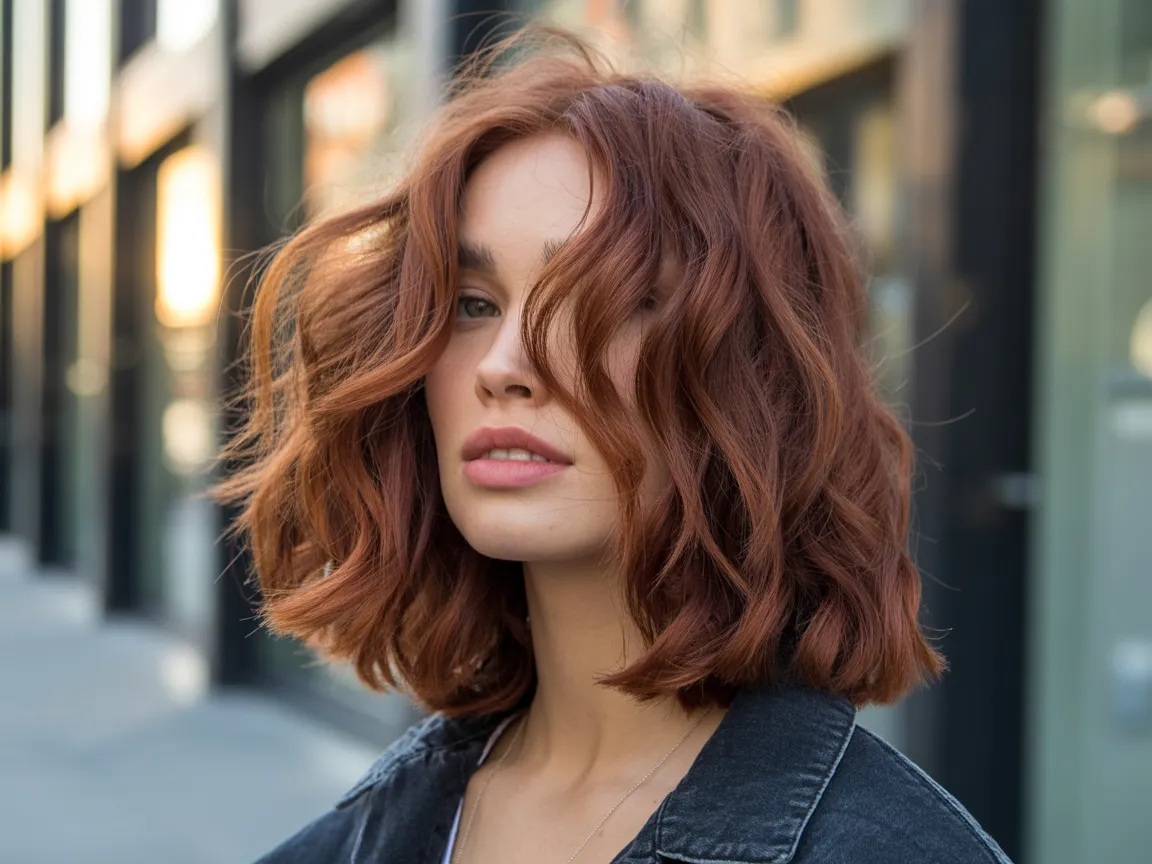
Closer to terracotta than to a new penny, burnt copper is a deep, slightly brown orange-red around level 5 or 6. Curls, coils and textured shags show it best, because each curl has a lighter outer edge and a darker inner bend. Warm, olive and deep skin tones suit it.
Curly hair tends to be more porous, so it grabs color quickly and lets it go quickly too. A weekly deep-conditioning mask, a sulfate-free cleanser and diffusing on low heat help the copper stay rich. For fragile curls already near level 5 or 6, ask for demi-permanent color, which deposits without lifting. It looks especially good on 2C to 4A curl patterns.
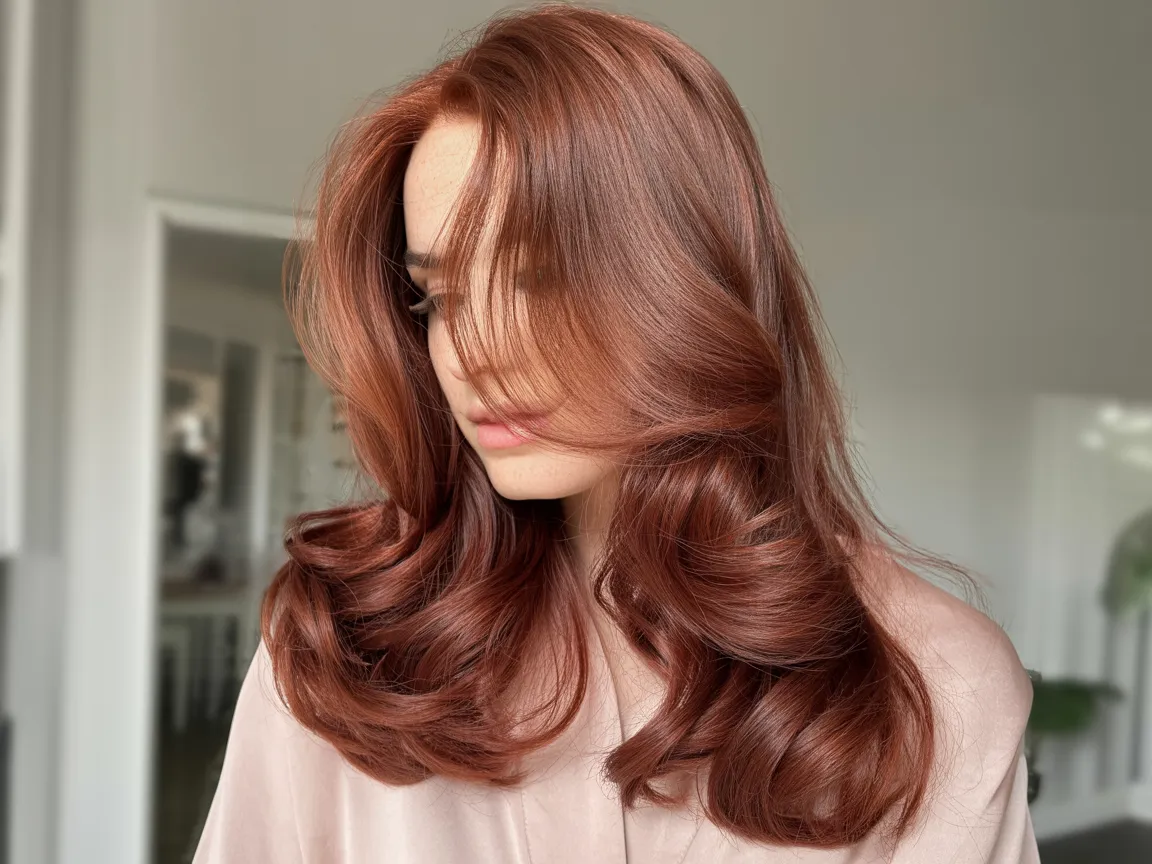
For a quieter spring red, closer to blush than to fire engine, rosewood is a soft, dusty red-brown with a mauve-pink cast, usually around level 5 or 6. Cool and neutral undertones and rosy complexions suit it best, and it can soften the look of early grays without the brightness of copper.
The rose tone is the first thing to fade, leaving a beige-brown. A gloss refresh at about six weeks brings it back, and keeping heat styling low slows the fade.
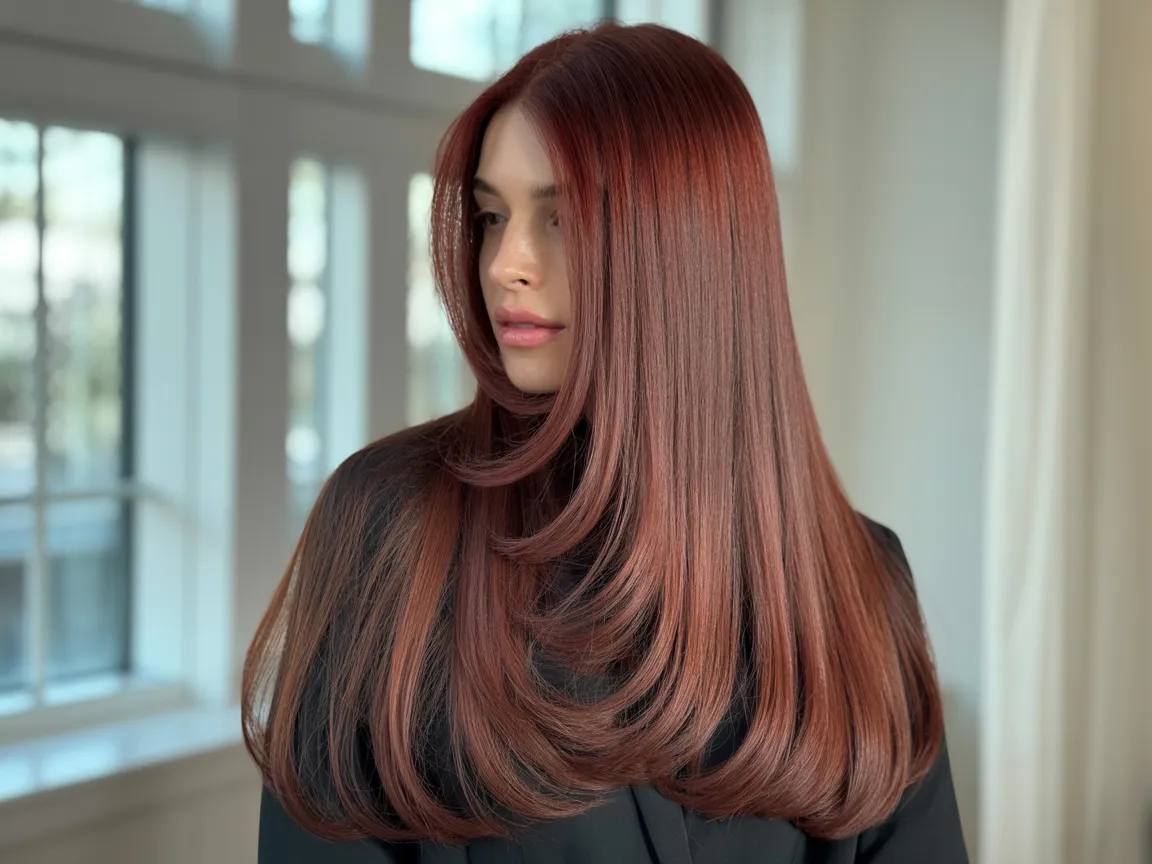
Polished and dark, mahogany is a brown with red and violet undertones, typically level 3 or 4. It’s excellent on deep skin tones and cool undertones. Permanent mahogany, usually mixed with a natural shade for better coverage, handles early gray well, so you can get red and coverage in one appointment.
The silk effect comes from smooth cuticles, not only from the dye. A clear gloss on top, a blow-dry with a flat paddle brush and a lightweight shine serum on the ends do most of the work. Root touch-ups land at about six weeks if you have gray.
Babylights are very fine highlights woven close together. On a natural blonde at level 7 to 9, a colorist adds them in a strawberry tone, a mix of gold and soft pink, so the whole head warms up without looking red from a distance. Of every shade here, this is the subtlest.
Fair, peachy or warm-toned skin looks best with it. Lightened hair is porous, so the strawberry tone fades fast; a weekly rose-gold depositing conditioner bridges the gap between salon visits, and a toner refresh every five or six weeks keeps it pink-gold.
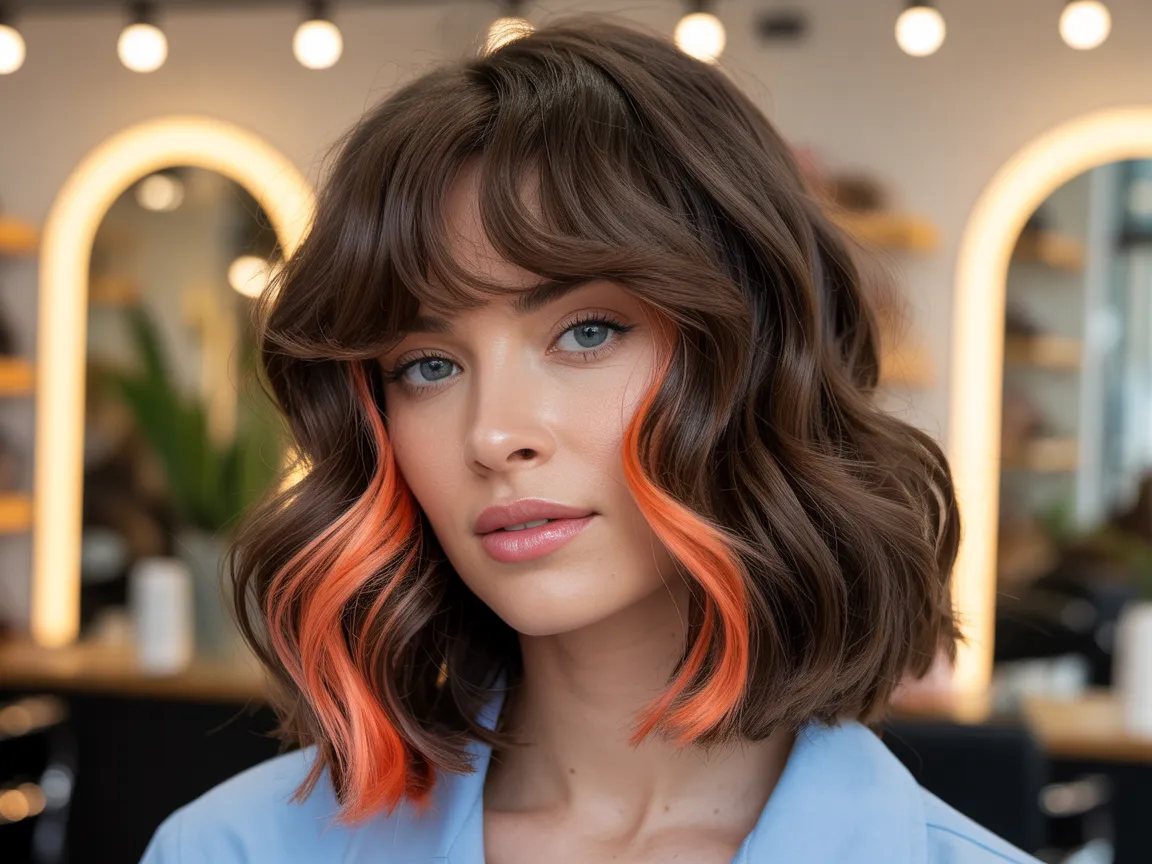
Not sure red suits your face? A money piece is a pair of brighter panels at the front hairline, here in copper on a level 4 to 6 brown base. It’s the smallest commitment on this list and a smart test before going all-over.
Because only the front is colored, touch-ups can wait eight to twelve weeks. The panels show best when hair is pulled back, so they pair nicely with sleek ponytail hairstyles and half-up looks. Warm and neutral undertones suit copper panels best.
On level 8 or 9 blonde, a sheer copper gloss gives an apricot, peach-red finish. No lightener is needed, so it’s the gentlest way for blondes to try red for spring, and it looks lovely with pastel clothes. The tone is soft enough for fair and light skin, in warm or neutral undertones.
A gloss like this usually lasts four to six weeks before washing out to a warm golden blonde, which makes it a low-risk test run before committing to permanent copper. Ask for a short processing time if you want a pastel result rather than full copper.
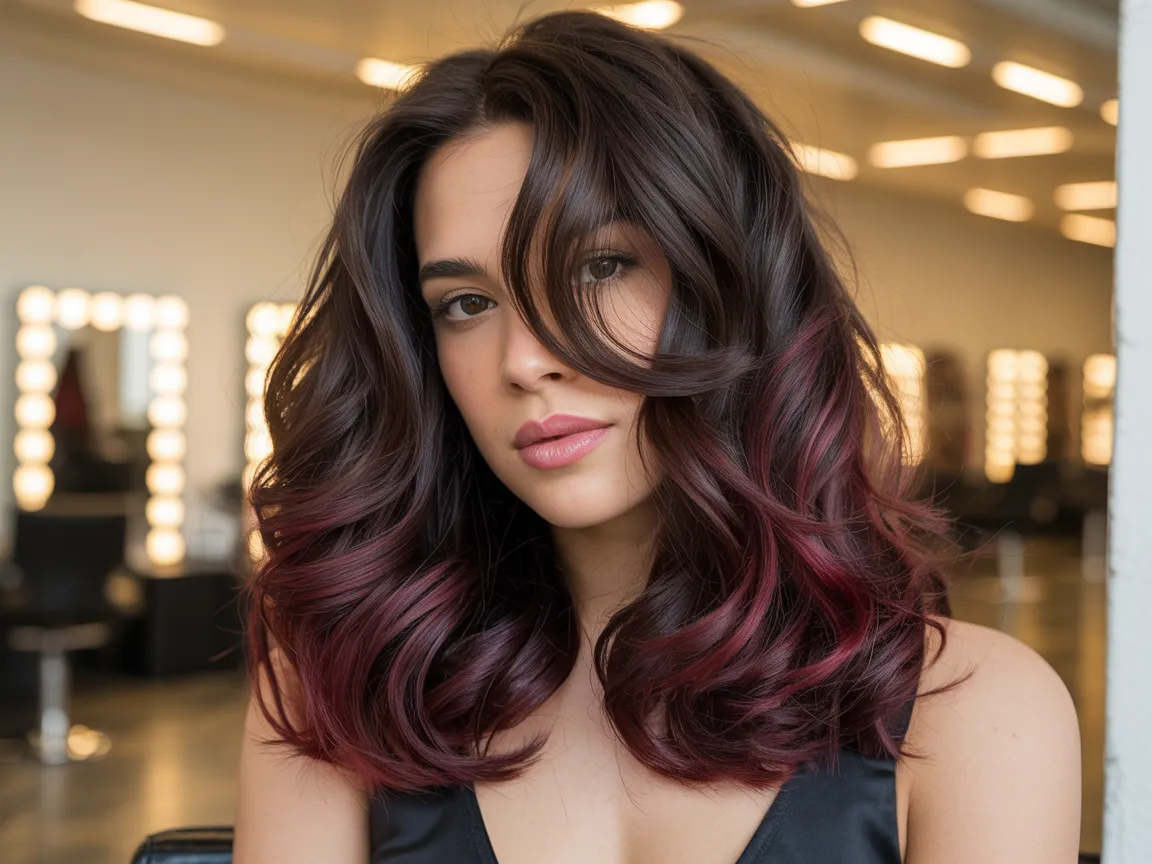
Here’s the full-volume version: a bright cherry red with a blue base, so it never tips orange. On hair darker than about level 6, the lengths need lightening to around level 7 first so the vivid shade can show true. Many colorists finish with a semi-permanent direct dye, such as Pravana ChromaSilk Vivids, for maximum intensity.
Cool undertones and deep skin tones carry it best. Vivid reds fade among the fastest of any shade, so expect a refresh every three or four weeks. Limit shampoos to a few times a week in cool water, use a red depositing conditioner, and expect some dye transfer onto towels and pillowcases for the first few washes.
For hair that’s about a third to half gray, full red coverage can look harsh at the root after just a few weeks. Instead, a colorist weaves copper or strawberry lowlights through the gray and finishes with a translucent copper glaze. The result looks like faded natural red, and regrowth blends rather than showing a hard line.
Gray strands can turn reds unexpectedly bright, so colorists usually mix a natural or neutral shade into the copper. Warm and neutral undertones suit the finish, and the blend is easy to stretch to about eight weeks between visits.
| Shade | Starting level | Undertone | Bleach? | Back in the chair |
|---|---|---|---|---|
| Cinnamon Copper Glow | 6–7 | Warm, neutral | No | Gloss every 6 weeks |
| Cherry Cola Layers | 3–4 | Cool, neutral | No | Gloss every 4–6 weeks |
| Strawberry Auburn Blend | 6 | Warm, peachy | Ribbons only | Toner every 5–6 weeks |
| Caramel Red Melt | 5–6 | Warm, neutral | Light | 8–12 weeks |
| Velvet Auburn Waves | 5–6 | Neutral, olive | No | Roots every 6–8 weeks |
| Ginger Copper Balayage | 5–6 | Warm | Yes | Toner every 6–8 weeks |
| Ruby Brunette Shine | 2–3 | Cool | Ribbons only | Gloss every 4–6 weeks |
| Burnt Copper for Curls and Shags | 5–6 | Warm, olive | No | Gloss every 6 weeks |
| Rosewood Red-Brown | 5–6 | Cool, neutral | No | Gloss every 6 weeks |
| Mahogany Silk Finish | 3–4 | Cool | No | Roots every 6 weeks |
| Strawberry Blonde Babylights | 7–9 | Warm, peachy | Fine lights | Toner every 5–6 weeks |
| Copper Money Piece | 4–6 | Warm, neutral | Front only | 8–12 weeks |
| Apricot Copper Gloss | 8–9 | Warm, neutral | No | Fades in 4–6 weeks |
| Bright Cherry Red | Lifted to 7 | Cool | Yes on dark hair | Every 3–4 weeks |
| Soft Copper Gray Blend | 30–50% gray | Warm, neutral | No | About 8 weeks |
The most common mistakes are choosing a shade from a heavily filtered photo, jumping more than three levels in one session, putting box-dye red over previous dark color, and forgetting brows. A tinted brow gel one or two shades deeper than the new red keeps the face from looking washed out.
Start with your undertone. Warm skin suits copper, ginger, strawberry and cinnamon; cool skin suits cherry, ruby, burgundy and red velvet; neutral and olive skin suit auburn, mahogany and brown-based copper. Then keep the shade close to your natural level, no more than a couple of levels away, and bring two or three reference photos to your consultation.
Often, yes. On light brown or blonde hair, copper, strawberry and auburn usually go on without lightener, because permanent color can lift one or two levels and red deposits easily on a lighter base. On dark brown or black hair, red-violet glosses like cherry cola and mahogany give a deep red tint without bleach. A bright, true red on dark hair is different: it needs lightening first, or it will show only in strong light.
It depends on the base. Copper fades toward orange-gold, cherry and ruby toward pinkish or brassy brown, mahogany toward a warm brown, and strawberry toward golden blonde. Weekly depositing conditioner and cool-water washing slow the shift.
Wash less often and in cool water, use a sulfate-free shampoo, and avoid clarifying products. Add a depositing conditioner once a week, protect hair before heat styling, and limit sun and pool exposure. A gloss between full appointments, about once a month to six weeks, keeps the tone bright for the least money.
Greens, from sage and olive to emerald, are the classic match because green sits opposite red on the color wheel. Navy, cream, camel and chocolate brown look polished. For spring, coral works with copper and strawberry shades, while cool reds pair well with crisp white, blush and cobalt.
The right red usually makes skin look warmer and brighter, which reads as fresh. Very dark or very saturated reds can emphasize fine lines and shadows, especially next to mature skin. Softer options such as copper lowlights, rosewood or a strawberry gloss tend to be more flattering as hair grays.
With any of these red hair color ideas, the easiest way to land a shade you love is to start smaller than you think. Pick the shade that matches your undertone, try it as a gloss or money piece first, and keep a copper or red depositing conditioner in the shower. Our hair style ideas section has more cuts and colors to pair with your new shade.